2024 Social Justice Statement Launch
The Australian Catholic Bishops Conference’s social justice statement for 2024-2025, “Truth and Peace: A Gospel Word in a Violent World,” addresses the urgent need for peace from a Gospel perspective.
In the 2024 – 2025 Social Justice Statement, “Truth and Peace: A Gospel Word in a Violent World”, Australia’s Bishops scrutinise the signs of our own troubled times, observe the violence around us, and ask why it is so. They also ask what is needed if there is to be peace.
Since 2018, the Human Rights Commission has been working towards a model for a single legislated Human Rights Act in Australia
Despite global awareness and efforts to combat it, modern slavery affects an estimated 40 million people worldwide, with significant numbers in the Asia-Pacific region, including Australia.
In the 2024 – 2025 Social Justice Statement, “Truth and Peace: A Gospel Word in a Violent World”, Australia’s Bishops scrutinise the signs of our own troubled times, observe the violence around us, and ask why it is so. They also ask what is needed if there is to be peace.
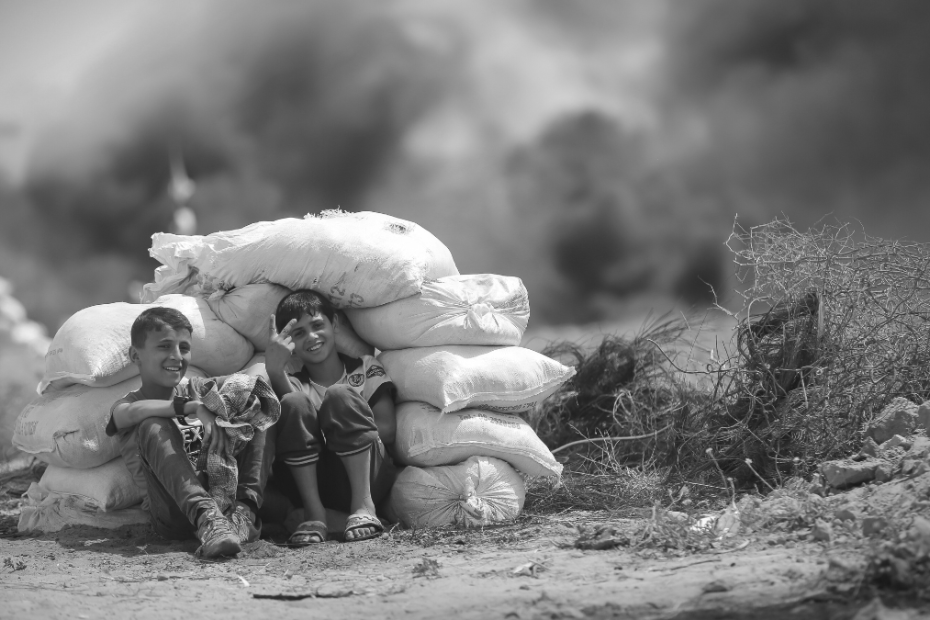
The need for peace in Palestine and Israel is paramount, as the longstanding conflict between Israelis and Palestinians has led to immense human suffering, loss of life, and instability in the region.
Our responsibility to our earth extends beyond mere appreciation; it requires active engagement in safeguarding it and its waters for future generations.
NAIDOC Week is an opportunity to acknowledge and honour the history, culture, and achievements of Aboriginal and Torres Strait Islander peoples.
At an ecumenical prayer service for World Refugee Day (June 20), Bishop Vincent Long OFM, Chair of the Bishops Commission for Social Justice, Mission and Service, delivered a timely reflection:
The intersection of cybercrime and human trafficking represents a growing and deeply troubling trend in Southeast Asia, where vulnerable individuals are lured into horrific conditions under false pretenses.